Many South African job seekers spend hours perfecting their CVs but forget that employers often look beyond the document. Your social media profiles, LinkedIn account, online comments, and digital footprint all contribute to your personal brand and shape the first impression employers have of you.
- What Is a Personal Brand?
- Why Building Your Personal Brand Matters
- Employers Are Looking Beyond Your CV
- 7 Practical Ways to Build Your Personal Brand
- Common Personal Branding Mistakes
- Personal Branding Checklist Before Applying
- Watch: How to Build a Strong Personal Brand
- Build Your Job Search Toolkit
- Frequently Asked Questions
If you’re unsure where to start, use Nasi iSpani’s AI Buddy to get career guidance, improve your professional profile, and receive practical advice tailored to your job search.
By the end of this guide, you’ll know exactly how to build your personal brand, strengthen your online presence, and increase your chances of getting hired in South Africa.
What Is a Personal Brand?
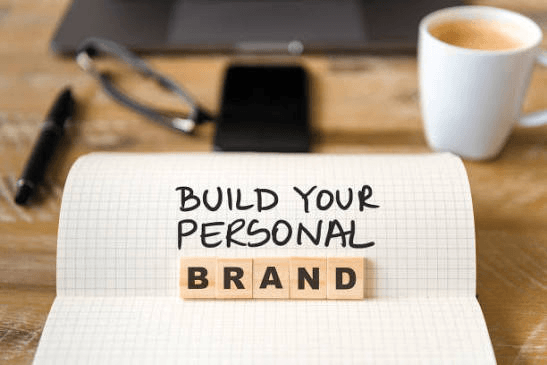
Your personal brand is the image people form about you based on what they see online and offline.
For job seekers, this includes:
- Your LinkedIn profile
- Your social media accounts
- Your profile photos
- Comments you leave online
- Your CV and cover letter
- Your communication style
- Any online portfolio or personal website
Think of your personal brand as your professional reputation.
Why Building Your Personal Brand Matters
Today’s employers don’t only evaluate qualifications.
Many recruiters search candidates online before inviting them for interviews. A professional online presence can help you stand out from hundreds of applicants.
Building your personal brand can help you:
- Make a strong first impression
- Show professionalism
- Demonstrate communication skills
- Highlight your achievements
- Build trust with employers
- Increase your visibility on LinkedIn
- Improve your chances of getting interviews
For graduates and first-time job seekers in South Africa, your personal brand can help make up for limited work experience.
Employers Are Looking Beyond Your CV
Recruiters may search your:
- Full name
- LinkedIn profile
- Facebook profile
- Instagram account
- TikTok profile
- X (Twitter) account
They’re usually asking questions like:
- Does this person present themselves professionally?
- Are they respectful online?
- Do they communicate well?
- Would they represent our organisation positively?
Your online presence should support your application—not create doubt.
RELATED: Do Your Social Media Profiles Affect Your Job Chances? Learn the Truth
7 Practical Ways to Build Your Personal Brand
1. Google Yourself

Start by searching your own name.
Ask yourself:
- What appears first?
- Are your profiles public?
- Is the information accurate?
- Would you be comfortable if an employer saw it?
If something looks unprofessional, update or remove it where possible.
2. Create a Professional LinkedIn Profile
LinkedIn is one of the best platforms for job seekers.
Include:
- A professional photo
- A clear headline
- A short summary
- Your education
- Skills
- Volunteer experience
- Certifications
- Projects
Even if you have little work experience, your LinkedIn profile can demonstrate your potential.
Related Reading: How to Craft the Perfect LinkedIn Profile: 21 Easy Steps
3. Review Your Social Media

You don’t need to delete your accounts.
Instead:
- Remove inappropriate posts
- Check tagged photos
- Update your privacy settings
- Avoid offensive comments
- Share positive achievements occasionally
Employers appreciate authenticity, but professionalism matters too.
4. Use a Professional Profile Photo
Choose a photo that:
- Is clear
- Has good lighting
- Shows your face
- Has a clean background
- Looks friendly and professional
You don’t need expensive photography, a well-lit smartphone photo works perfectly.
5. Share Your Learning Journey

You don’t need years of experience to have something valuable to share.
Post about:
- Courses you’ve completed
- Certificates
- New skills
- Volunteer work
- Projects
- Industry events
- Career milestones
This shows employers you’re actively investing in your future.
6. Keep Your CV and Online Profiles Consistent
Your CV should match your online information.
Make sure your:
- Job titles
- Education
- Dates
- Skills
- Qualifications
are consistent across every platform.
Before applying, scan your CV using the Nasi iSpani ATS Resume Scanner to identify improvements and ensure it is ready for employer screening systems.
Related Reading: How to Build a Professional CV Using Nasi iSpani
7. Communicate Professionally
Every email, LinkedIn message, and online interaction contributes to your personal brand.
Use professional language, respond politely, and proofread your messages before sending them.
If you’re unsure how to write a professional application email, use Nasi iSpani’s AI Buddy or read our guide:
Related Reading: How to Write a Job Application Email That Gets You More Interviews (With Examples)
Common Personal Branding Mistakes
Avoid these common mistakes:
-Unprofessional usernames
– Offensive or inappropriate posts
-No LinkedIn profile
-Different information across platforms
-Poor-quality profile pictures
-Ignoring spelling and grammar
-Public arguments on social media
Small improvements can make a big difference.
Personal Branding Checklist Before Applying
Before sending your next application, ask yourself:
– Is my LinkedIn profile complete?
-Is my CV up to date?
-Does my email address look professional?
-Have I checked my public social media profiles?
-Do my online profiles match my CV?
-Have I used the ATS Resume Scanner?
-Have I prepared a professional cover letter?
Watch: How to Build a Strong Personal Brand
Build Your Job Search Toolkit
Your personal brand works best when combined with strong job application documents.
Use Nasi iSpani’s free career tools to improve every step of your job search:
- AI Buddy for personalised career advice
- CV Builder
- ATS Resume Scanner
- Cover Letter Generator
- Job Tracker
These tools are designed to help South African job seekers prepare for jobs, internships, bursaries, apprenticeships, and learnerships.
Frequently Asked Questions
What is a personal brand?
A personal brand is the way other people perceive you based on your skills, values, personality, expertise, and the impression you consistently create.
Why is personal branding important for job seekers?
A strong personal brand helps employers see you as professional, trustworthy, and prepared, improving your chances of getting interviews.
Do employers really check social media?
Yes. Many recruiters review candidates’ public online profiles as part of the hiring process, especially for graduate roles, internships, and learnerships
Do I need LinkedIn to get a job?
Not always, but having a professional LinkedIn profile increases your visibility and allows recruiters to learn more about your experience and skills.
Can I build a personal brand without work experience?
Absolutely. You can showcase your education, volunteer work, certifications, projects, leadership roles, and the skills you’re developing.
How can Nasi iSpani help me build my personal brand?
Nasi iSpani offers free career tools such as AI Buddy, a CV Builder, an ATS Resume Scanner, and a Cover Letter Generator to help you present yourself professionally and improve your job applications.